
IG News
-
Strengthening Accountability: IG Joins Transparency International Uganda's National Dialogue
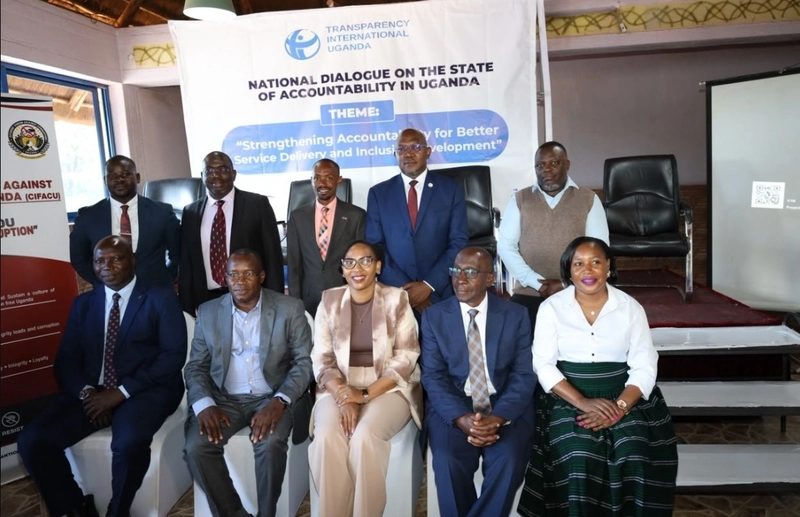
Nov. 11, 2026, 4:19 p.m. Read MoreThe Inspectorate of Government (IG) has called for practical action, stronger enforcement and tangible results in the management of public resources during the National Dialogue on the State of Accountability in Uganda, organised by Transparency International Uganda at Hotel Africana, Kampala.
The dialogue, held under the theme *“Strengthening Accountability for Better Service Delivery and Inclusive Development,”* brought together representatives from Ministries, Departments and Agencies (MDAs), the private sector, academia, Civil Society Organisations (CSOs), development partners and accountability institutions to examine Uganda's accountability landscape and identify practical measures for strengthening transparency, oversight and responsible management of public resources.
The Inspectorate of Government was represented by a delegation led by *Mr Gerald Gwaira, Director of Research, Education and Advocacy*, accompanied by *Ms Christine Lamwaka, Assistant Director, Advocacy and Capacity Building*, and *Mr Joseph B. Muramuzi, Inspectorate Officer*
IG Calls for Practical and Enforceable Accountability Measures
Addressing participants, Mr Gwaira emphasised the importance of translating discussions and institutional commitments into clear, enforceable resolutions that deliver tangible improvements in public service delivery.
“The National Dialogue must deliver more than discussion. It must produce clear, enforceable resolutions. Public money must be used for its intended purpose, because accountability is measured where citizens receive the services they deserve,” Mr Gwaira emphasised.
He noted that accountability should go beyond policy discussions and institutional commitments to ensure that public resources are utilised for their intended purposes and that citizens receive the services they deserve.
Collective Responsibility in the Fight Against Corruption
In his remarks, *Mr Koro, Vice Chairperson of Transparency International Uganda* underscored the importance of collective responsibility in the fight against corruption.
He highlighted the responsibility of Government, Parliament, civil society, religious leaders, academia and citizens in demanding accountability, exposing weaknesses in public service delivery and ensuring that public resources benefit their intended beneficiaries.
Strengthening Institutional Frameworks
Delivering the opening remarks, *Ms Rebecca Atwine, Special Presidential Assistant on Anti-Corruption*, highlighted the progress Uganda has made in strengthening its legal, policy and institutional frameworks for combating corruption.
She acknowledged the successes registered in the fight against corruption while noting that significant challenges remain. She pointed to the persistent and evolving nature of corruption, which continues to undermine interventions and frustrate efforts aimed at improving service delivery and achieving sustainable development.
The discussions further highlighted the role of accountability institutions, including the Office of the Auditor General, the Inspectorate of Government, Resident District Commissioners (RDCs) and Parliamentary Accountability Committees, in promoting transparency, oversight and responsible management of public resources.
Participants emphasised the need to strengthen enforcement and follow-up mechanisms to ensure that findings and recommendations from accountability institutions translate into corrective action, value for public money and improved service delivery.
Strengthening Collaboration for Better Service Delivery
The dialogue reinforced the importance of collaboration among Government institutions, accountability agencies, civil society, development partners and citizens in addressing corruption and promoting good governance.
The Inspectorate of Government appreciates *Transparency International Uganda* for convening the National Dialogue and providing a platform for stakeholders to exchange ideas, share experiences and strengthen collective efforts towards transparency, integrity and accountability.
The Inspectorate of Government remains committed to promoting good governance, combating corruption, enforcing the Leadership Code of Conduct and strengthening accountability in public institutions to ensure that public resources are utilised for their intended purposes and that Ugandans receive the services they deserve.
-
Ig Strengthens Strategic Partnerships With Development Partners To Address Gender-Related Corruption
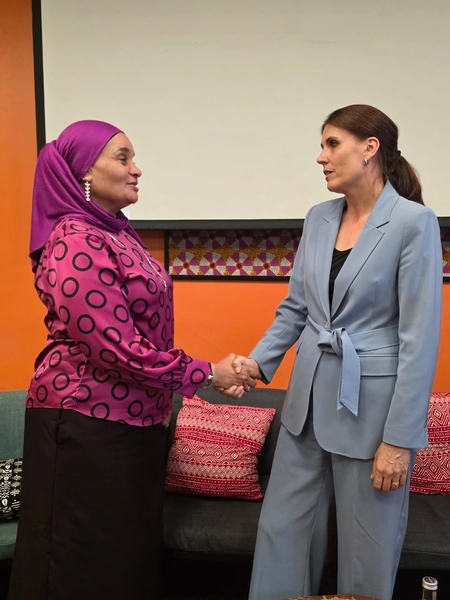
Nov. 9, 2026, 1:37 p.m. Read MoreThe Inspectorate of Government (IG) has reinforced its strategic partnerships with international development partners in efforts to address gender-related corruption in Uganda, following a two-day workshop that brought together more than 15 stakeholders to examine the impact of corruption on women, girls and other vulnerable groups.
The workshop, held on 4 November 2026 at Onomo Hotel in Kampala, was hosted by the Inspectorate of Government with support from the Embassy of Denmark in Uganda, in collaboration with the Embassy of Sweden, the United Kingdom Foreign, Commonwealth and Development Office (FCDO), and the U4 Anti-Corruption Resource Centre.
The engagement provided a platform for stakeholders to examine the relationship between gender and corruption, particularly in the health and education sectors, and explore practical approaches to strengthening institutional responses.
The British Deputy High Commissioner to Uganda, Ms Tiffany Kirlew, attended the workshop and encouraged participants to openly share their experiences and insights to enrich the discussions. She expressed optimism that the recommendations arising from the engagement would contribute to meaningful change in addressing gender-related corruption in Uganda.
Officially opening the workshop, the Inspector General of Government (IGG), Lady Justice Naluzze Aisha Batala, called for stronger institutional interventions to address gender-related corruption, particularly in the health and education sectors.
The IGG observed that women, girls and other vulnerable groups often bear a disproportionate burden of corrupt practices, including sexual corruption, which undermines their dignity, rights and access to essential public services.
She emphasised the need for institutions to strengthen their systems for identifying, receiving and responding to complaints involving gender-related corruption, while ensuring that victims and witnesses can report such practices without fear of stigma or retaliation.
Key recommendations for the Inspectorate of Government
The workshop identified several areas for further institutional action, including:
Incorporating sexual corruption as an indicator in the Fifth National Integrity Survey (NIS V).
Developing Information, Education and Communication (IEC) materials to raise public awareness about sexual corruption.
Disaggregating data on sexual corruption by gender in reports submitted to Parliament.
Strengthening public sensitisation through engagements with young people and community Barazas.
Conducting radio and television talk shows to stimulate public discussion and encourage reporting.
Reactivating Gender Help Mechanisms (GHMs).
Strengthening whistleblower protection mechanisms.
Collaborating with the Directorate for Ethics and Integrity to pursue legal reforms that explicitly recognise and address sexual corruption.
The workshop underscores the importance of strategic partnerships in strengthening institutional capacity, promoting accountability and addressing emerging forms of corruption.
The Inspectorate of Government remains committed to working with development partners, government institutions and other stakeholders to advance integrity, transparency and accountability in Uganda.
-
Ig Engages Youth-led Organisation To Strengthen Partnerships In The Fight Against Corruption
Nov. 9, 2026, 1:41 p.m. Read MoreThe Inspectorate of Government (IG) has reaffirmed its commitment to working with non-state actors and youth-led organisations to strengthen public accountability, promote integrity and enhance young people's participation in the fight against corruption.
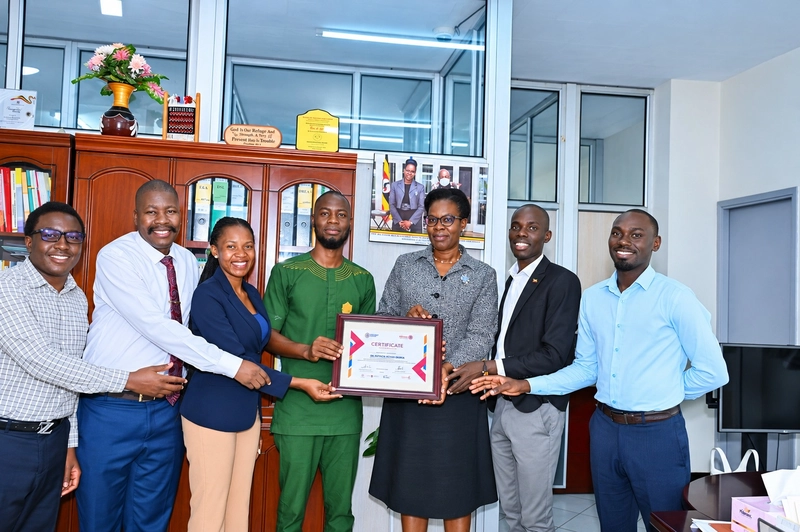
This follows a meeting between the Deputy Inspector General of Government (Deputy IGG), Dr. Patricia Achan Okiria, and a delegation from Positive Peace Generation, led by its Executive Director, Mr. Wafula Silas Shoki, at the Office of the Inspectorate of Government.
The delegation visited the Deputy IGG to present a report on the Entrepreneurship for Peace Conference held at the International University of East Africa (IUEA), where Dr. Patricia Achan Okiria had served as Chief Guest. During the conference, she delivered a lecture on leadership and called upon Government and the private sector to support young entrepreneurs as a means of promoting economic empowerment and sustainable peace. The event also featured a graduation ceremony.
During the visit, Positive Peace Generation recognised and awarded Dr. Patricia for her mentorship and contribution to national development, particularly her demonstrated commitment to integrity, humility, ethical leadership and the fight against corruption.
The delegation also expressed its commitment to supporting the Inspectorate's anti-corruption efforts by mobilising young people to demand accountability, promote inclusivity and advocate for the rights and participation of persons with disabilities.
Discussions further explored opportunities for collaboration between the Inspectorate and youth-led organisations in addressing corruption among young people through awareness creation, training, mentorship and other integrity-building initiatives.
Mr. Wafula Silas Shoki, Executive Director of Positive Peace Generation, commended the Deputy IGG and the Inspectorate for their support towards youth empowerment and engagement.
“We believe that young people have a critical role to play in the fight against corruption. Through partnerships with institutions such as the Inspectorate of Government, we can equip young people with the knowledge, values and skills needed to promote accountability, integrity and responsible citizenship. We appreciate Dr. Patricia for her mentorship and commitment to supporting young people,” Mr. Shoki said.
As part of the proposed areas of collaboration, the meeting explored a partnership between the Office of the Inspectorate of Government, Positive Peace Generation and other stakeholders to organise the 4th Annual Peace Festival in the Acholi Sub-region, with preparations already underway.
The engagement underscores the importance of partnerships between Government institutions and non-state actors in advancing accountability, peacebuilding and good governance. The Inspectorate recognises that the fight against corruption requires collective action and welcomes constructive engagement with civil society organisations, youth groups, the private sector and other stakeholders.
Through such partnerships, the IG continues to promote a culture of integrity and encourage young people to become active partners in building a transparent, accountable and corruption-free Uganda.
-
Ig Participates in UNCAC Review Meeting in Vienna to Strengthen Anti-corruption Frameworks and Asset Recovery.
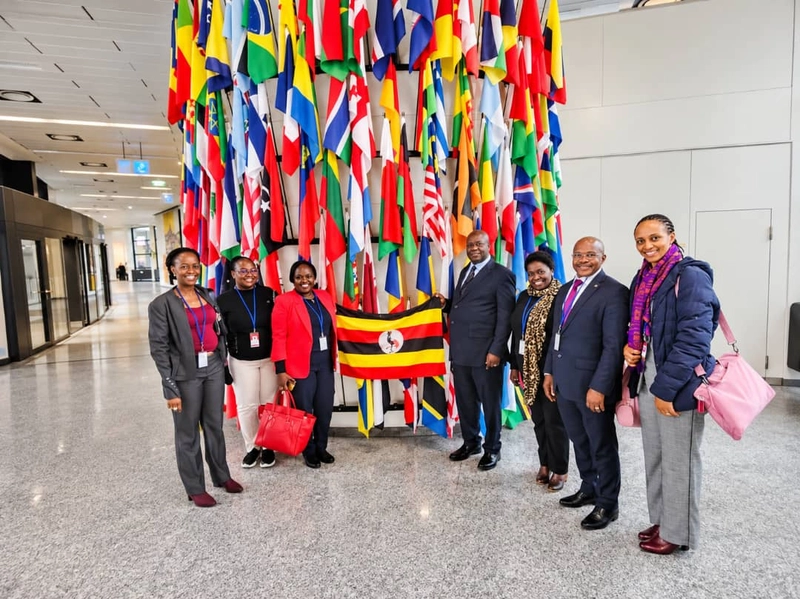
Nov. 9, 2026, 10:21 a.m. Read MoreThe Inspectorate of Government (IG) is participating in the Second Resumed 17th Session of the United Nations Convention against Corruption (UNCAC) Implementation Review Group, taking place at the Vienna International Centre in Austria.
The IG is represented by the Director Legal Affairs, Ms. Hilda Talibba, as part of the Ugandan delegation led by the Permanent Secretary of the Directorate for Ethics and Integrity, Mr. Dunstan Balaba. The delegation also comprises representatives from the Financial Intelligence Authority, Office of the Auditor General, Anti-Corruption Division of the High Court, Directorate for Ethics and Integrity, Attorney General's Chambers, Leadership Code Tribunal and the Ministry of Foreign Affairs.
The meeting is discussing the self-assessment checklist for the second phase of the UNCAC Implementation Review Mechanism, alongside the revised model schedule and simplified blueprint. These tools will guide the second-phase assessment of State Parties' implementation of the Convention, which is expected to commence in mid-2027.
Participants are also continuing discussions on the implementation of Chapter V of UNCAC on asset recovery and related cross-cutting provisions under Chapter II on preventive measures. The discussions are examining challenges, good practices and observations reported by State Parties.
Among the key good practices highlighted is the importance of following the money, the individuals involved and their networks during financial investigations to facilitate the identification and recovery of assets. Participants also emphasised the need for strong cooperation between anti-corruption agencies and Financial Intelligence Units (FIUs), including timely and spontaneous information sharing and properly formulated requests to provide valuable leads for investigations.
The meeting further underscored the importance of conducting parallel financial investigations as a standard practice in corruption cases, supported by clear institutional mandates, legally authorised mechanisms and practical cooperation arrangements such as memoranda of understanding and joint task forces.
Other good practices highlighted include modernised asset declaration, verification and reporting systems; the establishment of beneficial ownership registries; information sharing among anti-corruption agencies; and enhanced inter-agency, regional and international cooperation to combat money laundering.
However, participants noted persistent challenges across many countries, including weak or non-existent verification mechanisms, limited asset disclosures, inadequate definitions of conflict of interest and insufficient information on beneficial ownership. Gaps were also identified in reporting by professional service providers, particularly in the legal, real estate and company services sectors. This issue is expected to be presented to the UNCAC Conference of State Parties for consideration and resolution.
Meanwhile, Andorra has recently joined UNCAC, bringing the total number of State Parties to 193, further demonstrating the Convention's growing global reach and commitment to international cooperation against corruption.
-
Ig Reaffirms Commitment To Transparency And Accountability In Public Procurement
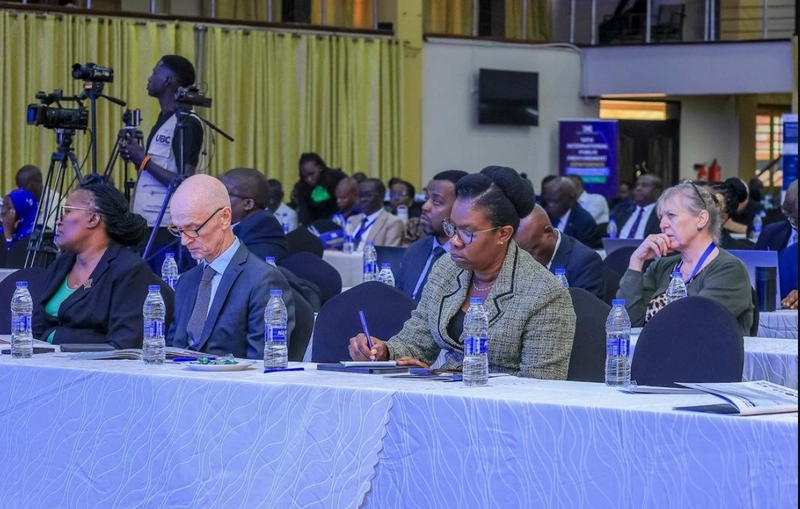
Nov. 4, 2026, 10:36 a.m. Read MoreThe Deputy Inspector General of Government (DIGG), Dr. Patricia Achan Okiria, has reaffirmed the Inspectorate of Government’s commitment to promoting transparency, accountability, integrity and value for money in public procurement as essential pillars of effective public service delivery.
Dr. Achan Okiria made the remarks yesterday while representing the Inspectorate of Government at the *10th International Public Procurement Conference (IPPC10)*, organised by the Uganda Management Institute (UMI) from November 3–5, 2026, at Hotel Africana in Kampala.
The conference, held under the theme *“Emerging Paradigm Shift in Public Procurement,”* brought together government leaders, procurement practitioners and other stakeholders to exchange ideas, share experiences and explore practical approaches to strengthening public procurement systems.
In her remarks, the DIGG emphasised that public procurement plays a critical role in ensuring that public resources are utilised transparently, efficiently and for their intended purposes. She noted that accountable procurement processes are essential in safeguarding public funds, preventing corruption and ensuring value for money in the delivery of public services.
*The Inspectorate of Government’s Role in Procurement Accountability*
The Inspectorate of Government plays a critical oversight role in promoting integrity and accountability in public procurement through its constitutional and statutory mandate to investigate corruption, abuse of authority and maladministration in public offices.
The Inspectorate investigates allegations of corruption and procurement-related irregularities involving public officials, particularly where there is abuse of office, mismanagement of public resources, conflict of interest or other conduct that undermines transparency and accountability.
Through investigations, enforcement of accountability and promotion of ethical leadership, the Inspectorate seeks to ensure that public officers entrusted with public resources uphold the law and act in the public interest.
The participation in IPPC10 provided an opportunity for the Inspectorate to engage with key stakeholders and contribute to discussions on strengthening procurement governance, institutional accountability and corruption prevention.
The conference was also attended by the Second Deputy Prime Minister of Uganda and Deputy Leader of Government Business in Parliament, Rt. Hon. Dr. Crispus Walter Kiyonga, who served as the Chief Guest.
The Inspectorate of Government remains committed to strengthening accountability in public institutions, combating corruption and ensuring that public resources are managed responsibly for the benefit of all Ugandans.
-
Ig Reaffirms Commitment to rule of law and good governance in engagement on lango cultural leadership dispute
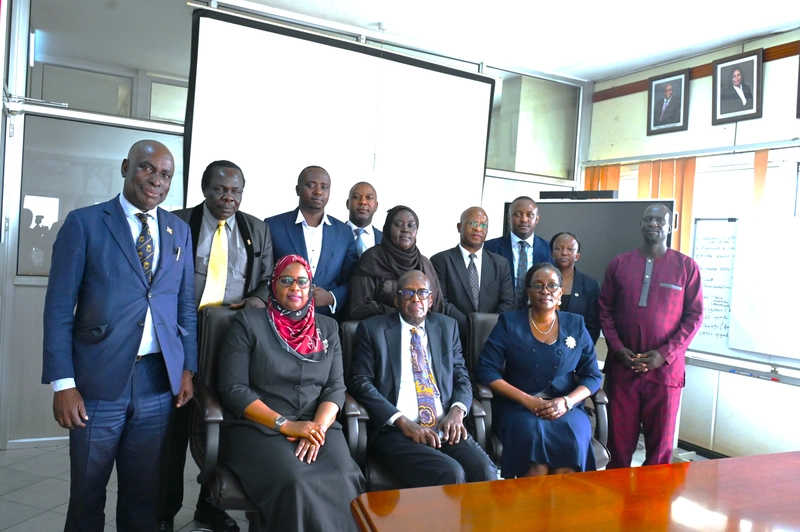
Nov. 3, 2026, 4:37 p.m. Read MoreThe Inspectorate of Government (IG) has reaffirmed its commitment to upholding the rule of law, promoting good governance and ensuring accountability in public institutions during an engagement on the ongoing leadership dispute within the Lango Cultural Institution.
The Inspector General of Government (IGG), Lady Justice Naluzze Aisha Batala, and the Deputy Inspector General of Government (DIGG), Mrs. Anne Twinomugisha Muhairwe, together with officials from the IG Directorate of Ombudsman Affairs, participated in the engagement today with the Minister of Gender, Labour and Social Development, Lt. Gen. Henry Tumukunde at the IG Head Office.
The discussions focused on the role of Government institutions in addressing the dispute surrounding the position of Won Nyaci, the Paramount Chief of the Lango people, through lawful processes, institutional accountability and constructive dialogue.
The dispute has been the subject of legal proceedings following a challenge to the election of Eng. Dr. Michael Moses Odongo Okune by clan leaders, Denis Obia Acila and Benjamin Okii. In October 2024, the High Court in Lira nullified the election. However, in January 2025, the Court of Appeal granted a stay of execution, allowing Eng. Dr. Odongo Okune to remain the gazetted paramount chief pending determination of the appeal.
-
IGG attends 3rd Ministerial Meeting on Anti-Corruption in Azerbaijan
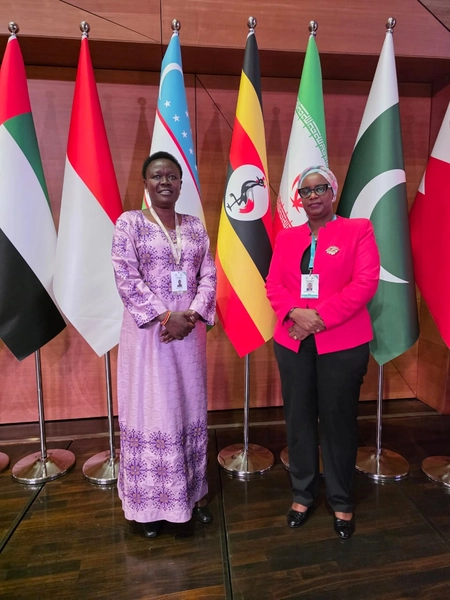
Oct. 28, 2026, 11:54 a.m. Read MoreAs the 3rd Ministerial Meeting of Anti-Corruption Law Enforcement Authorities of Member States of the Organisation of Islamic Cooperation opens today in Baku, Azerbaijan, the Inspector General of Government, Lady Justice Naluzze Aisha Batala, is part of the Ugandan delegation attending the meeting.
The delegation is headed by the Minister of State for Ethics and Integrity, Hon. Akello Rose Lilly.
-
IGG engages Parliament to commemorate International Ombuds Day 2026
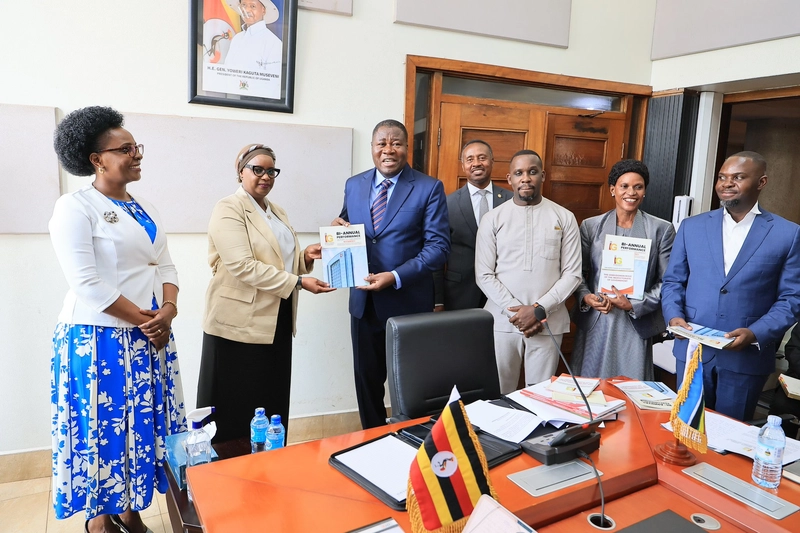
Oct. 14, 2026, 4:57 p.m. Read MoreThe Inspector General of Government (IGG), Lady Justice Naluzze Aisha Batala, has engaged the Speaker of Parliament, Rt. Hon. Jacob Marksons Oboth-Oboth, and other parliamentary leaders in commemoration of International Ombuds Day 2026. During the engagement, she also submitted the Inspectorate of Government’s (IG) Bi-Annual Report for January to June 2026.
The IGG appreciated Parliament for enacting legislation that strengthens the fight against corruption and providing resources to enable the Inspectorate to execute its mandate. She highlighted the IG’s achievements in combating corruption, enforcing the Leadership Code, addressing maladministration and promoting accountability in public service.
Results from investigations into corruption allegations included orders for the recovery of approximately UGX 41.6 billion, with UGX 5.7 billion recovered in cash and assets. Through Ombudsman interventions, the IG also recommended UGX 1.5 billion in compensation to complainants. In addition, 26 convictions were secured out of 29 cases prosecuted before the Anti-Corruption Division of the High Court and the Leadership Code Tribunal, representing an 89.7 percent conviction rate.
The report further indicated that 241,230 out of 302,800 registered public officers declared their income, assets and liabilities during the April 2026 declaration period, representing an 80 percent compliance rate.
The IGG pledged to strengthen investigations, asset tracing and recovery, enforcement of the Leadership Code, Ombudsman services, public awareness, mainstreaming of the Transparency, Accountability and Anti-Corruption (TAAC) component, and monitoring of Government projects. She appealed to Parliament for increased funding, recruitment and retention of specialised personnel, and stronger legal and institutional support to enable the IG to execute its mandate effectively.
During the engagement, the IGG also presented the IG Strategic Plan 2025/26–2029/30, the Client Charter and information, education and communication (IEC) materials to the Speaker.
The Deputy Inspector General of Government, Mrs. Anne Twinomugisha Muhairwe, highlighted the Inspectorate’s Ombudsman function in addressing maladministration, promoting administrative justice and providing options for resolving complaints against public institutions and public officers. She noted that the IG joined the rest of the world in commemorating International Ombuds Day on 8th October 2026 under the theme, “Ombuds: Office of Options.”
The Speaker of Parliament reaffirmed Parliament’s commitment to supporting the Inspectorate. He called for parliamentary recommendations, particularly those arising from the Auditor General’s reports, to be submitted to the IG through the Clerk to Parliament for consideration. Describing corruption as an “industry,” he urged Parliament’s Budget Committee to consider additional funding for the Inspectorate and address its staffing gap of 168 positions.
Rt. Hon. Oboth-Oboth further directed that debate on the IG Report be included on the Order Paper for Tuesday, 13th October 2026.
The engagement was attended by the Leader of the Opposition in Parliament, Rt. Hon. Joel Ssenyonyi, and Chairpersons and Members of Parliamentary Accountability Committees, among other officials.
-
Deputy IGG Engages UWA Leadership on Ombudsman Function and Good Governance
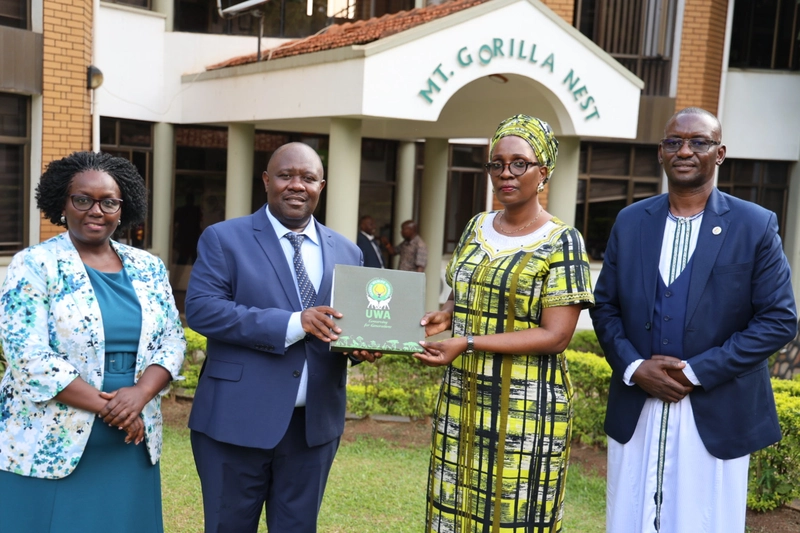
Oct. 8, 2026, 5:48 p.m. Read MoreThe Deputy Inspector General of Government (DIGG), Ms. Anne Twinomugisha Muhairwe, today led a team from the Inspectorate of Government (IG) on a visit to the Uganda Wildlife Authority (UWA) offices as part of the Inspectorate’s efforts to strengthen engagement with public institutions and promote effective access to Ombudsman services.
The DIGG and her team were welcomed by the UWA Executive Director, Dr. James Musinguzi, PhD, together with the Commissioner of Human Resource, Ms. Susan Muhumuza Nyatia, and other UWA staff.
During the visit, the IG delegation, including Mr. Kakooza Savio Ntensibe, Director, Directorate of Ombudsman Affairs, toured various UWA departments, including Planning, Procurement, ICT, Monitoring and Evaluation, as well as the Reservations Office.
At the Reservations Office, the delegation followed up on service delivery and interacted with staff on the challenges and opportunities in serving the public. The DIGG also emphasised the importance of creating a conducive working environment that enables staff to effectively deliver on their mandate.
Mr. Kakooza Savio Ntensibe emphasised the role of UWA in promoting the rule of law and good governance, including through effective investigations and enforcement against wildlife crimes such as poaching.
In the boardroom, the UWA Executive Director welcomed the IG team, after which both institutions introduced their respective teams. The DIGG gave an overview of the Ombudsman institution, its origins and its role in promoting adherence to the rule of law, administrative justice and the principles of natural justice. She underscored the need to increase public awareness about the Ombudsman function so that citizens can effectively seek redress.
Dr. Musinguzi congratulated the Inspectorate of Government upon assuming the Presidency of the African Ombudsman and Mediators Association (AOMA) and appreciated the Inspectorate for taking its services closer to public institutions.
He briefed the delegation on UWA’s mandate and operations, noting that the Authority was established under the Uganda Wildlife Act and is responsible for managing 10 national parks, 12 wildlife reserves and 13 wildlife sanctuaries, among other conservation areas, under the guidance of its Board of Trustees.
He highlighted some of UWA’s achievements, including the successful reintroduction of rhinos into the wild, with the population now standing at 61 rhinos, species recovery initiatives, mitigation of encroachment and boundary disputes, management of human-wildlife conflicts, community benefit programmes, enterprise development and diversification of eco-tourism products.
Dr. Musinguzi thanked the Inspectorate for taking its services to UWA and welcomed the Inspectorate’s new approach to dispute resolution and engagement with public institutions.
In her remarks, the DIGG clarified that the visit was not a fault-finding mission, but rather an opportunity to strengthen collaboration, understand the concerns of staff and promote the role of the Ombudsman as a public protector
She encouraged UWA staff to appreciate the importance of teamwork, respect and effective leadership, noting that leadership requires the ability to manage egos and emotions. She urged staff to support their leaders, work collectively, keep personal emotions out of the workplace and demonstrate commitment and love for their work.
The DIGG further encouraged UWA to publicise and showcase its achievements so that the public can better appreciate the Authority’s contribution to wildlife conservation, tourism and national development.
The engagement reaffirmed the commitment of both institutions to strengthening good governance, accountability, effective service delivery and access to administrative justice.
-
Deputy IGG to Uganda Airline’s CEO, Board: Build a resilient institution that can earn public trust
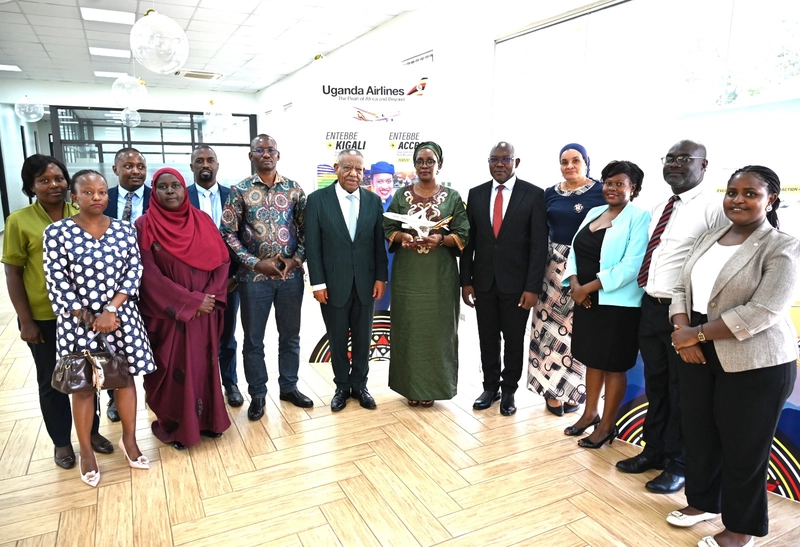
Oct. 8, 2026, 6:13 p.m. Read MoreThe Deputy Inspector General of Government (DIGG), Mrs. Anne Twinomugisha Muhairwe, has called on the leadership of Uganda Airlines to use the current transition in leadership to rewrite the national carrier's story by building a professional, resilient and accountable institution that can earn and sustain public trust.
The DIGG made the call today while meeting the CEO of Uganda Airlines, Mr. Girma Wake, as part of the Inspectorate of Government’s activities to commemorate the International Ombuds Day 2026, under the theme “Ombuds: Office of Options.”
She noted that the IG had received complaints concerning the airline, including irregularities in recruitment and procurement, financial mismanagement as well as poor institutional culture. She emphasised that the Ombudsman’s role is to provide options for addressing such concerns through early intervention, dialogue, mediation, investigation, providing advice and recommendations.
“Our approach is not necessarily to wait until a problem has escalated into a major crisis. Where possible, the Ombudsman should help institutions identify problems early, resolve them and strengthen their systems,”
The DIGG reminded the leadership that Uganda Airlines is more than a commercial enterprise. As the national carrier, it carries Uganda’s name and image across Africa and beyond and therefore has a special responsibility to uphold professionalism, fairness, transparency, accountability, value for money and quality customer service.
She thanked Mr. Wake for coming to Uganda and taking on the responsibility of helping to revive and strengthen the national carrier, assuring him that Uganda has confidence in his leadership and is rooting for the airline’s success.
Mr. Wake appreciated the DIGG for reaching out to the airline and assured her that Uganda Airlines is now well positioned to take off and fulfil its potential. He said that, given time and the right support, the airline will achieve greater heights.
He also pledged to organise a staff engagement with the DIGG to discuss the Ombudsman mandate and listen to staff perspectives on the challenges and opportunities facing the national carrier.
The IG remains committed to working with public institutions to strengthen systems, address administrative injustices and ensure that public resources and institutions serve the public interest.
The DIGG was accompanied by Mr. Gerald Gwaira, Director Research, Education and Advocacy (DREA), Mr. Savio Kakooza Ntensibe, Director Ombudsman Affairs (DOA), Hajjat Munira Ali, Assistant Director Public Relations, Mrs. Mariam Nimusima, Assistant Director DOA, Mr. Martin Lukwago and Ms. Diana Nantabazi, both Principal Inspectorate Officers, Ms. Lisa Mwagale, Executive Assistant to the DIGG Mrs. Twinomugisha, Mr. Owen Masembe and Ms. Doreen Tukamushaba, both Inspectorate Officers.