
IGG Calls For Stronger Fraud Prevention, Specialised Investigations And Public Awareness.
Nov. 14, 2026
The Inspector General of Government (IGG), Lady Justice Naluzze Aisha Batala, has called for increased investment in specialised fraud examination skills, technology and intelligence-led investigations to strengthen the fight against fraud and corruption in Uganda.
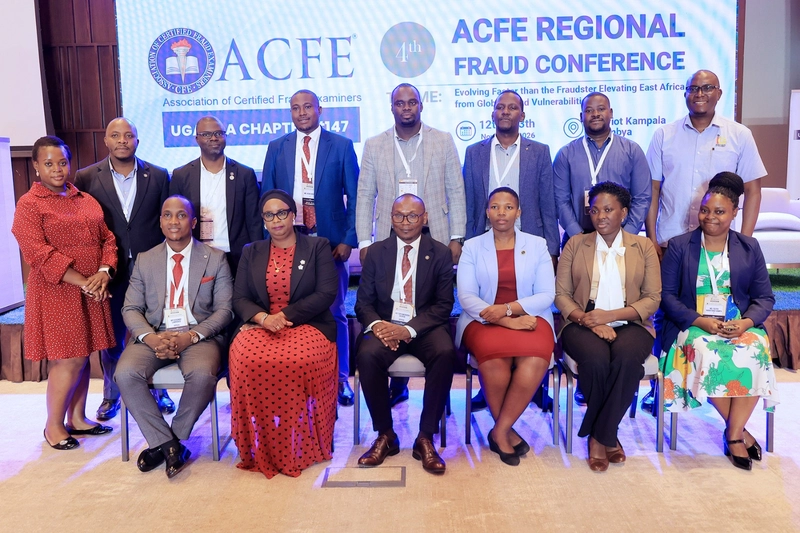
The IGG made the call while officiating at the closing of the 4th Association of Certified Fraud Examiners (ACFE) Regional Fraud Conference 2026 at Marriott Hotel, Kampala this afternoon, under the theme, “Evolving Faster than the Fraudster: Elevating East Africa from Global Fraud Vulnerabilities.”
She observed that fraud is constantly evolving, with perpetrators becoming increasingly sophisticated, particularly through advances in technology, digital financial services and artificial intelligence. She noted that these developments have created new avenues for economic growth but have also increased opportunities for fraud, including cyber-enabled fraud, identity manipulation, complex financial transactions and procurement schemes.
The IGG emphasised that addressing these emerging threats requires institutions to move beyond conventional investigative approaches and invest in data analytics, digital forensics, intelligence-led investigations, asset tracing and continuous professional development.
She noted that fraud is not merely a technological challenge but also a governance and integrity concern, often enabled by weak internal controls, compromised leadership and poor ethical standards.
Highlighting the contribution of Certified Fraud Examiners (CFEs) to the Inspectorate of Government's work, the IGG expressed appreciation for the specialised expertise they bring to the institution, noting that several major fraud cases involving substantial sums of money, particularly in local governments, had been investigated by them.
The IGG further revealed that the Inspectorate of Government (IG) and the ACFE Uganda Chapter will sign a Memorandum of Understanding next week to establish a framework for collaboration in fraud examination, investigation, prevention and professional development.
Lady Justice Naluzze emphasised that the fight against fraud and corruption cannot be left to enforcement institutions alone, calling for stronger internal controls, effective oversight, professional competence and a culture of integrity in both public and private institutions.
She urged fraud examiners to uphold professional integrity, independence, objectivity, confidentiality and competence, while translating the knowledge gained at the conference into practical improvements within their respective institutions.
The President of the ACFE Uganda Chapter, Mr. George Turyamureeba Mugabi, CFE, revealed that Uganda currently has 160 fully certified fraud examiners, of whom 12 are from the IG.
Mr. Mugabi cautioned against waiting for fraud to occur before taking action, observing that investigating fraud is an expensive and time-consuming undertaking. He called upon citizens to take an active role in reporting fraud and urged professionals, particularly fraud examiners, to take the lead in educating and sensitising the public on fraud prevention.
He noted that although incidents of fraud are often detected at lower levels of organisations, the financial losses associated with fraud at senior management levels are significantly higher. He observed that perpetrators at the top take as much as nine times more than those at lower levels.
He further emphasised the importance of evidence-based investigations and adherence to the law, noting that securing evidence and following due process must take precedence over simply effecting arrests.
Citing global fraud reporting trends, Mr. Mugabi observed that approximately 43 percent of reported fraud cases worldwide are detected through tips, underscoring the importance of whistleblowing and public participation in exposing wrongdoing.
The two-day conference brought together fraud examination professionals, representatives of government institutions, the private sector and civil society to exchange knowledge, share experiences and explore strategies for strengthening responses to emerging fraud threats.